
Eco Tourism in Belize: A Private Reserve Since 1984
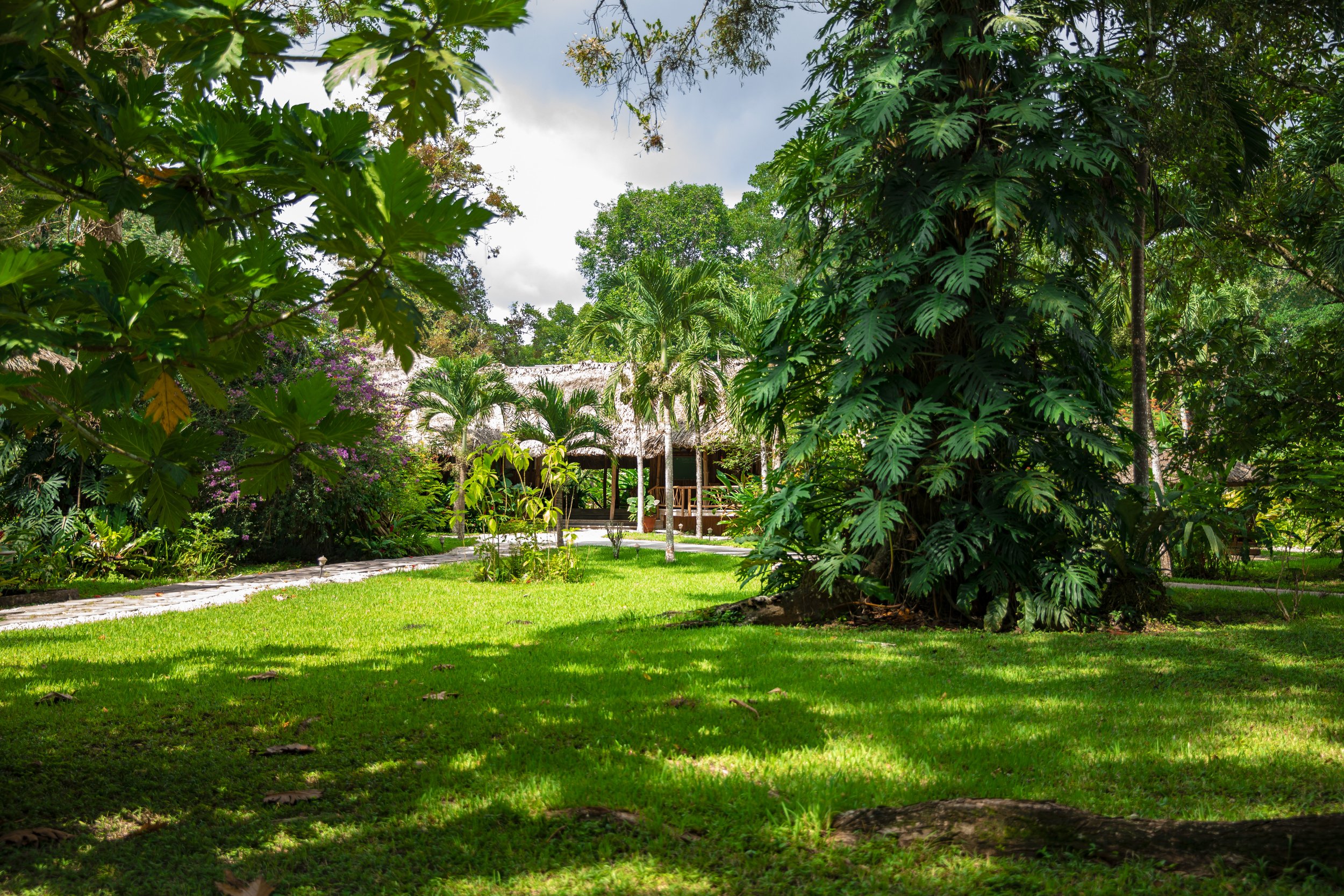
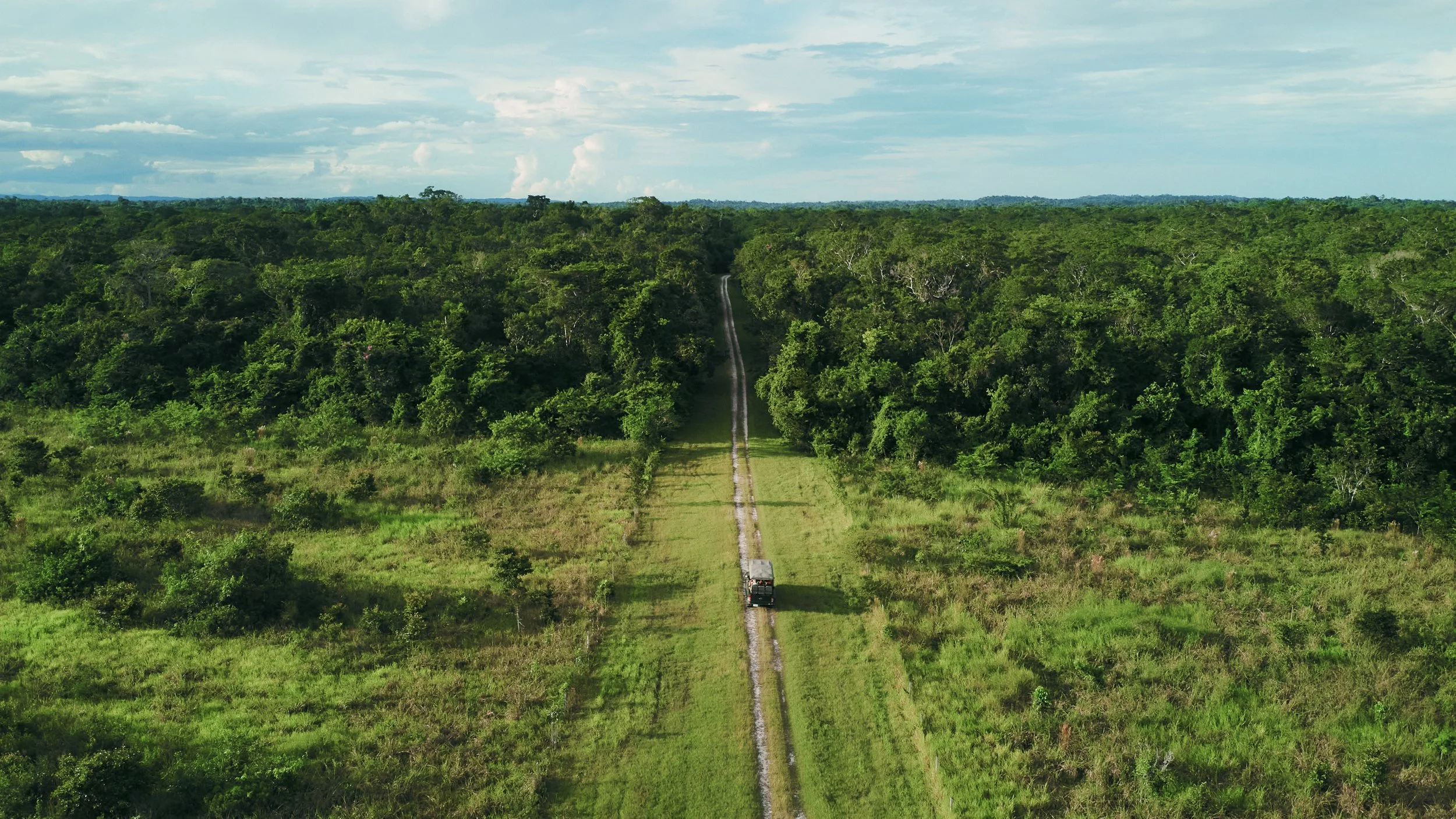
At Chan Chich Lodge, a single road gate opens onto a thirty-thousand-acre private reserve in the rainforest of northwestern Belize in an area now called The Belize Maya Forest. Just one small lodge sits inside it.
Here, what "eco-tourism" actually means is tied directly to who owns this land and what they've done with it. Sir Barry Bowen purchased the former Belize Estates holdings in 1984, and his family has held these thirty thousand acres as a private reserve ever since.
What a Private Reserve Means Here
Chan Chich is privately owned, not managed as a national park. That means the family decides how this land is used and who's allowed onto it, with access controlled at the one gate on the road in.
Why the Lodge Opened in 1988
The lodge opened in 1988 for a specific reason: to stop a Maya site on this ground from being looted. Every stay today continues that work, helping keep both the reserve and the history within it intact. Fun Fact: The bar is named “The Looters Trench”
Read how the lodge came to be here →
Wildlife Across the Reserve
Picture a jaguar padding past a trail camera at 2 a.m., and a keel-billed toucan calling from the same stretch of rainforest at sunrise. Different animals, different hours, same thirty thousand acres. That's the reserve at work.
For a wildlife traveler, that's what real breadth feels like: not a checklist of sightings, but one unbroken property where a single stay can carry you from riverbank to canopy to open trail, each with its own rhythm of life. Nothing here is scheduled for you. The rainforest simply goes about its business, and you get to move through it. Visit our Wildlife page and Birding Checklist to learn more about what calls the reserve home.
Where to Read the Conservation Record
If you're weighing Belize against other destinations for a nature-focused trip, the conservation record here is something you can read for yourself, acre by acre and year by year.
That record is also where the lodge's day-to-day practices and its longer-term land work belong together.